

Quinceañera Traditions: A guide
A quinceañera is a traditional coming-of-age celebration held on a girl’s 15th birthday in many Latin American communities. More than a party, it honors her transition from childhood to young womanhood and the values, family ties, and cultural heritage that shape her identity. It’s a joyful moment where loved ones gather to celebrate who she is becoming. How do you determine which traditions to incorporate and which ones to leave out? It’s important to remember there is no right or wrong way to have your party. Some go all out and do every tradition, some skip them all together, and most land somewhere in the middle. Pick and choose what means the most to you so you can create your once in a lifetime occasion to fit you.
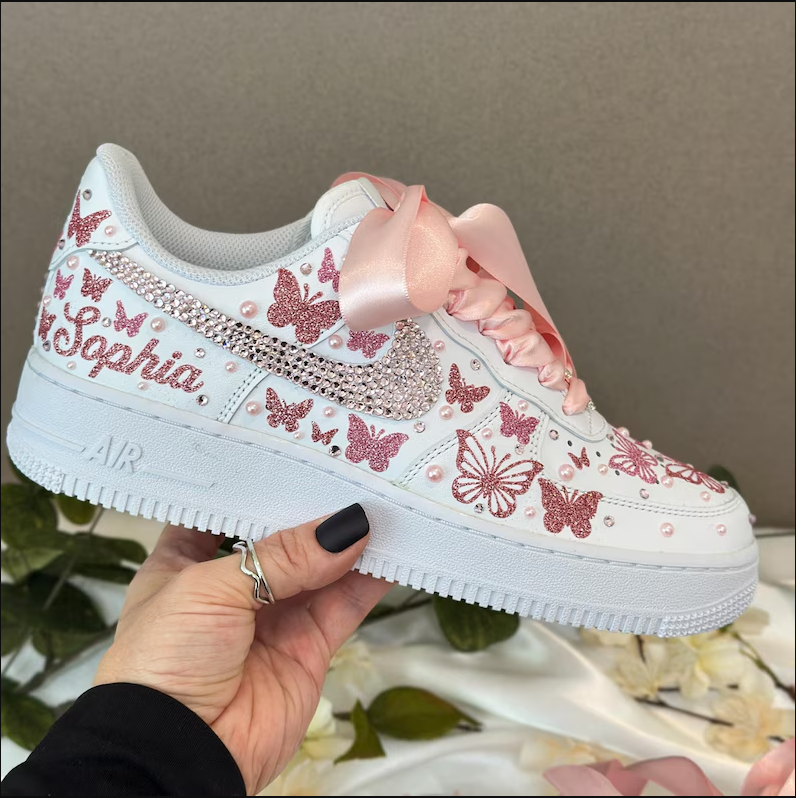
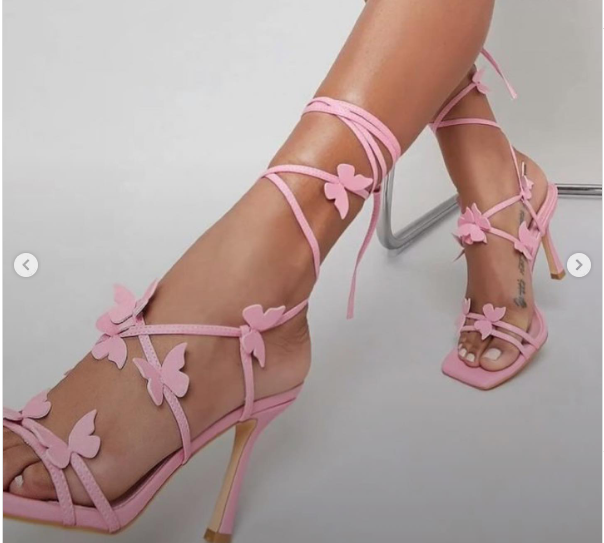
The Shoe Ceremony: From Flats to Heels 👠
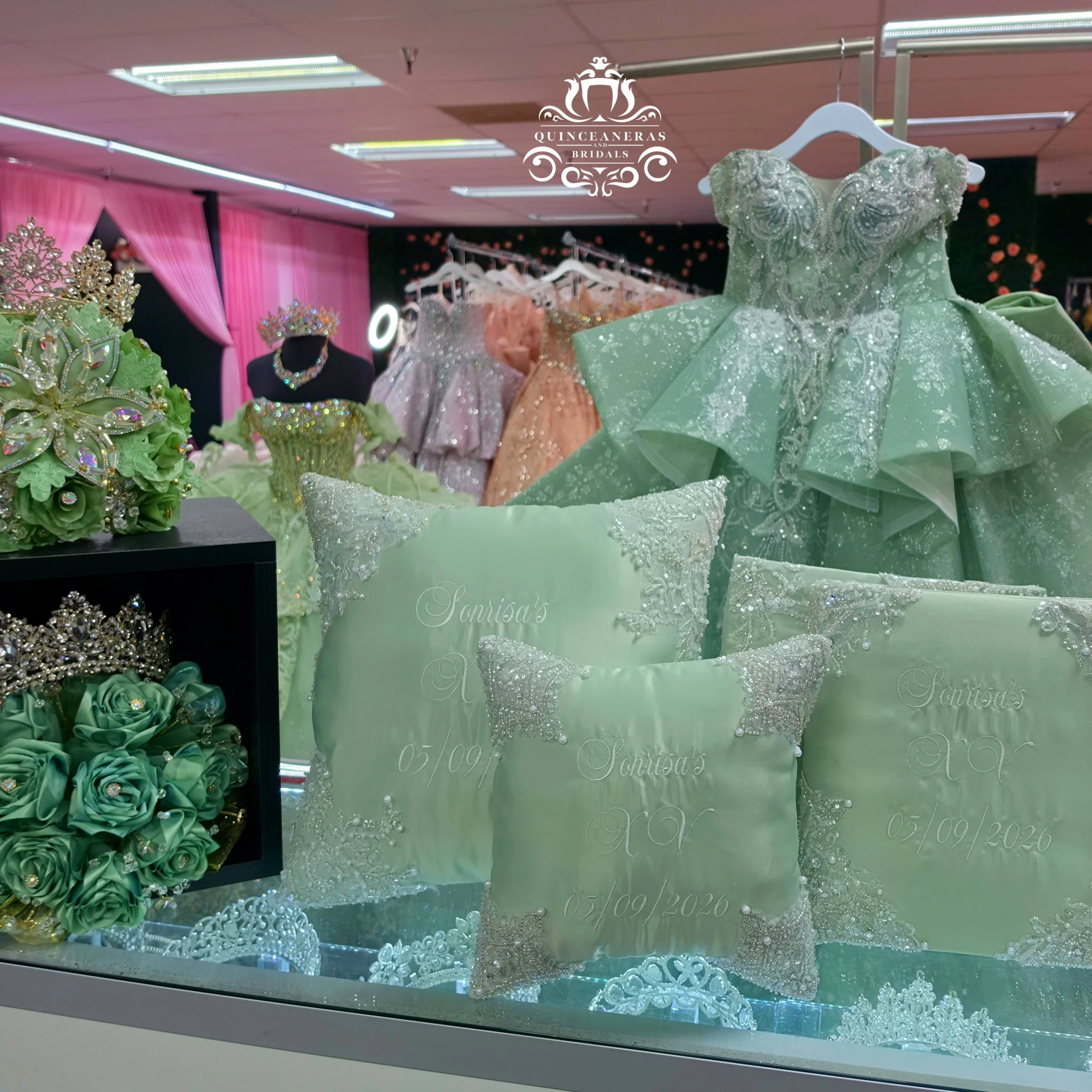
One of the most emotional moments of a quinceañera is the shoe ceremony, when the father—or another significant male figure—changes the quinceañera’s flat shoes into high heels. These are often presented on the large pillow. (Pro tip: This can often be the same pillow that was used to kneel down at church. Most Quinceaneras opt to have this pillow made in their colors and with their name embroidered on it to match the theme. ) This simple act carries powerful symbolism: it represents her stepping forward into a new stage of life, with greater independence and maturity. Because it often happens in front of family and friends, the moment can feel deeply personal, and it’s common to see guests tearing up as they witness the pride, love, and tenderness behind the gesture.
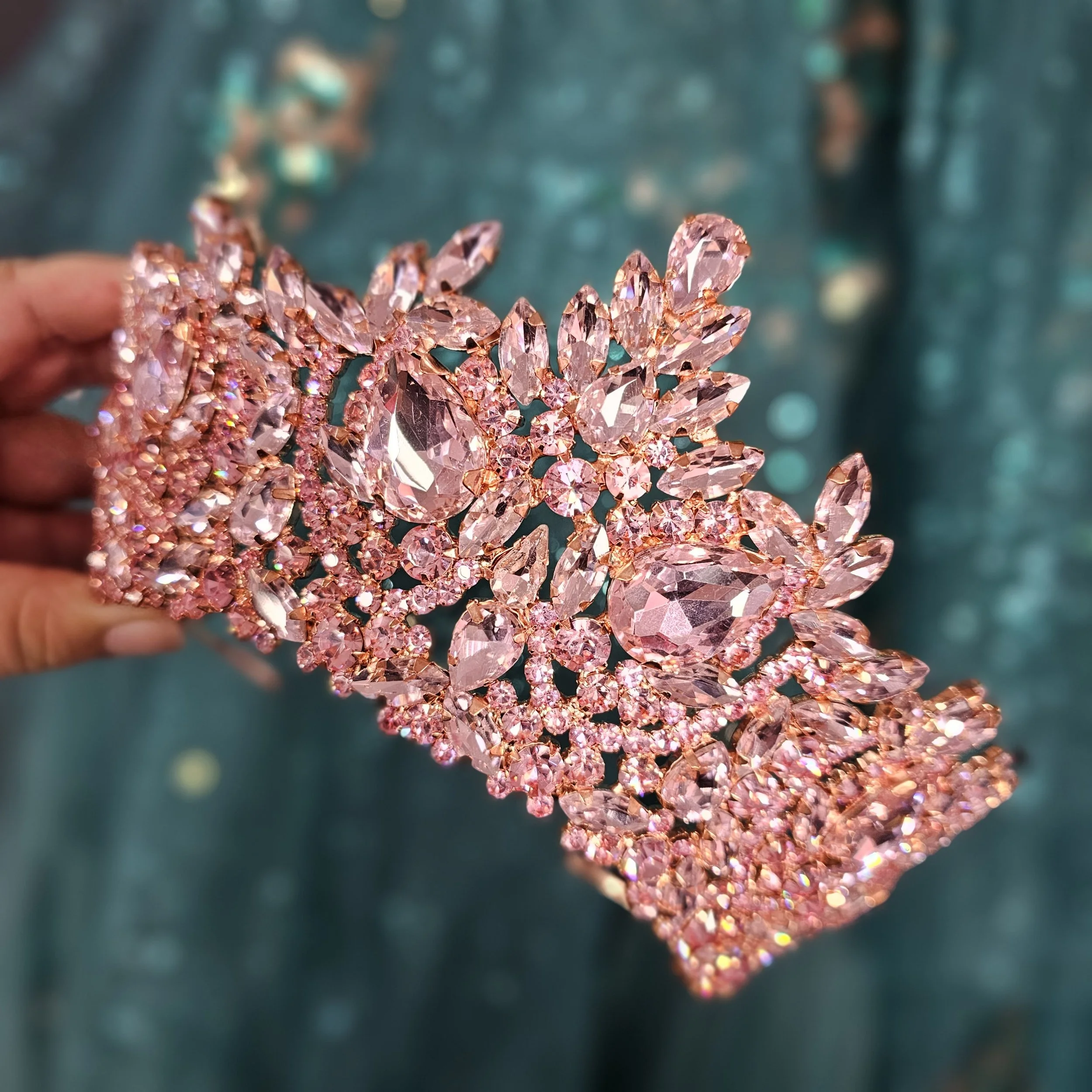
The Crown or Tiara Exchange 👑
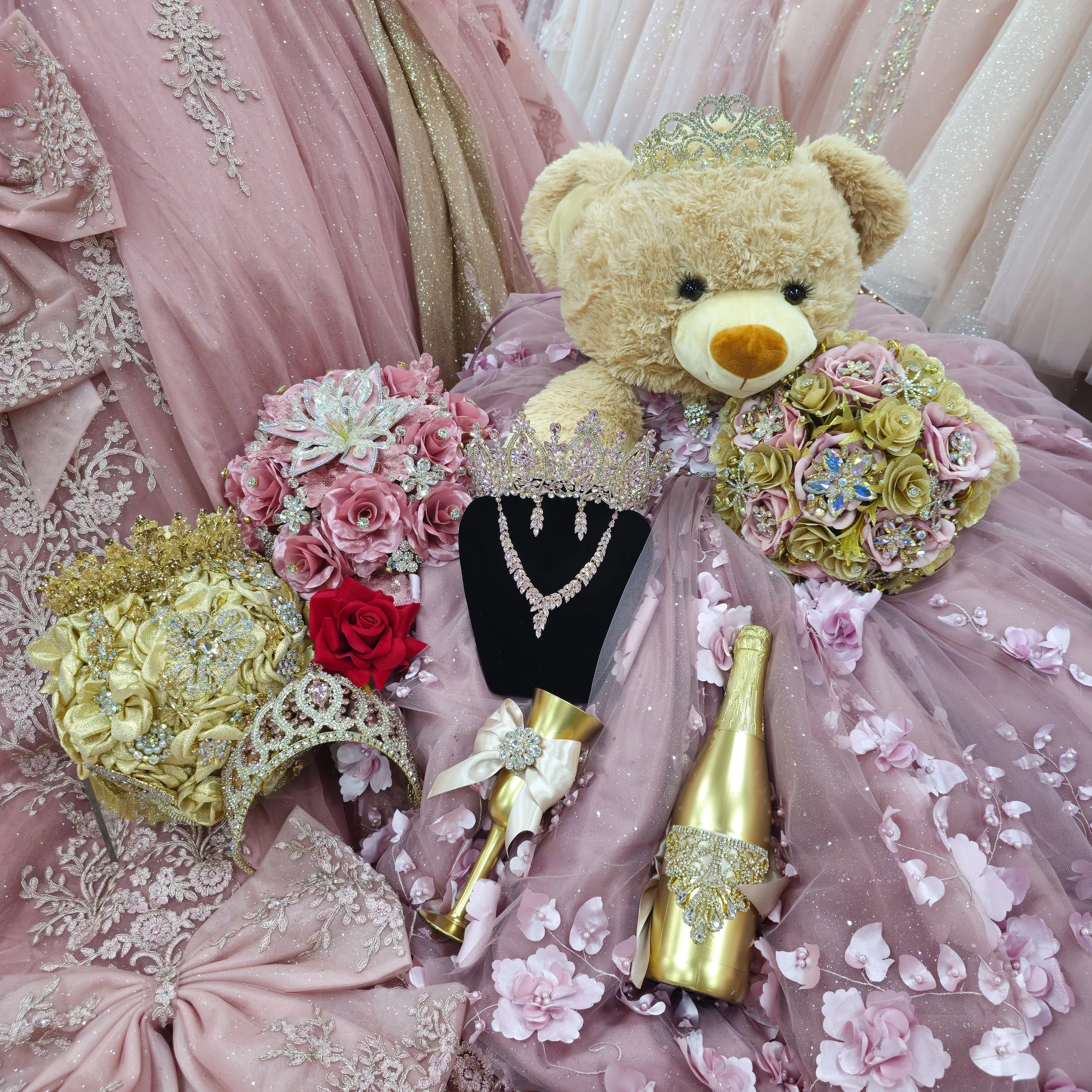
In the crown or tiara exchange, the quinceañera receives a tiara—sometimes replacing a smaller one with a larger, more elaborate piece—often presented by her mother or godmother on a smaller pillow. The tiara symbolizes dignity, self-worth, and the recognition that she is taking on new responsibilities within her family and community. It’s a visual reminder that she is being honored not only for her birthday, but also for the character, values, and promise she carries into adulthood.
Note: Some families opt to skip this portion of the ceremony because they prefer to have the crown pinned in by the professional hairstylist prior to the event in order to make sure it stays in place.
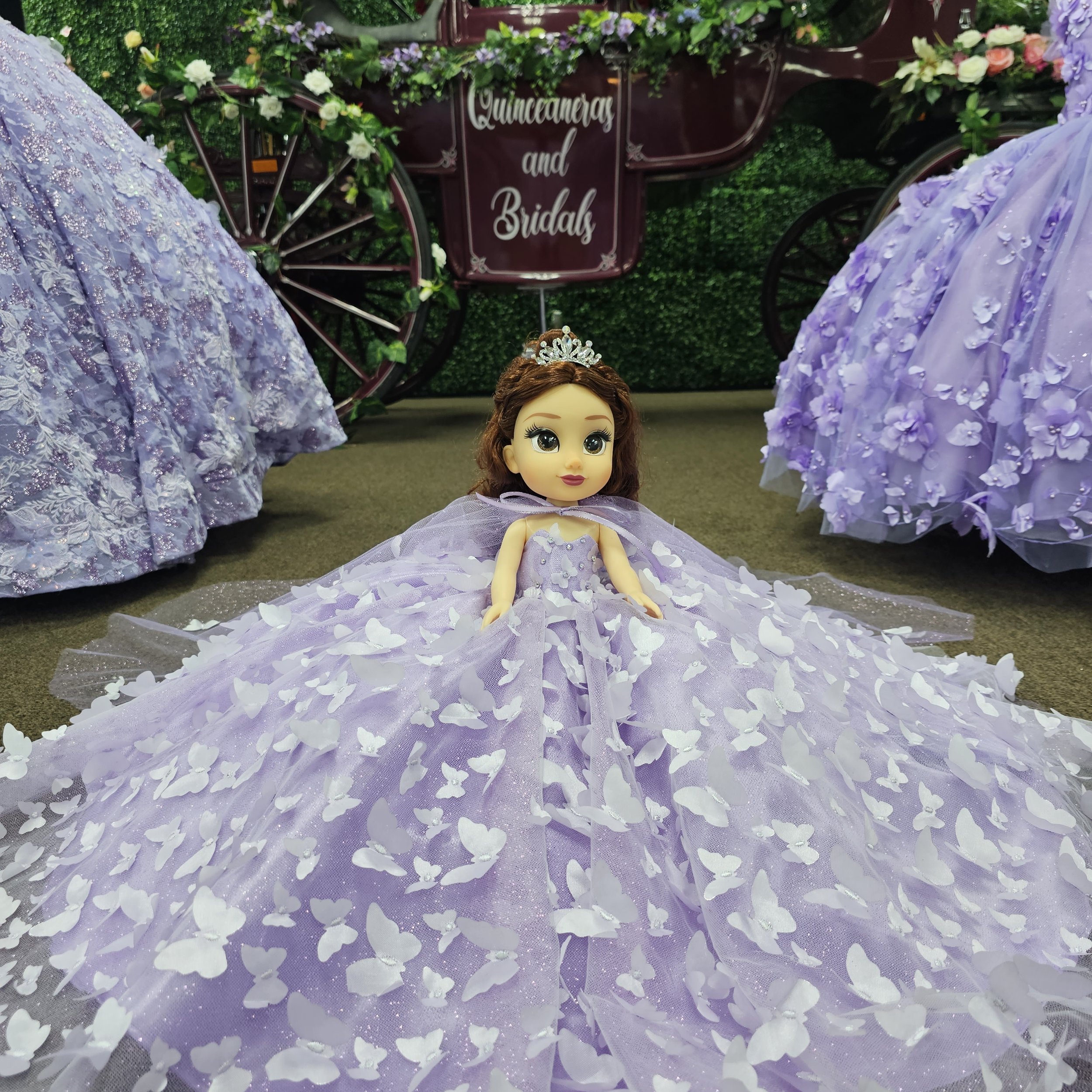
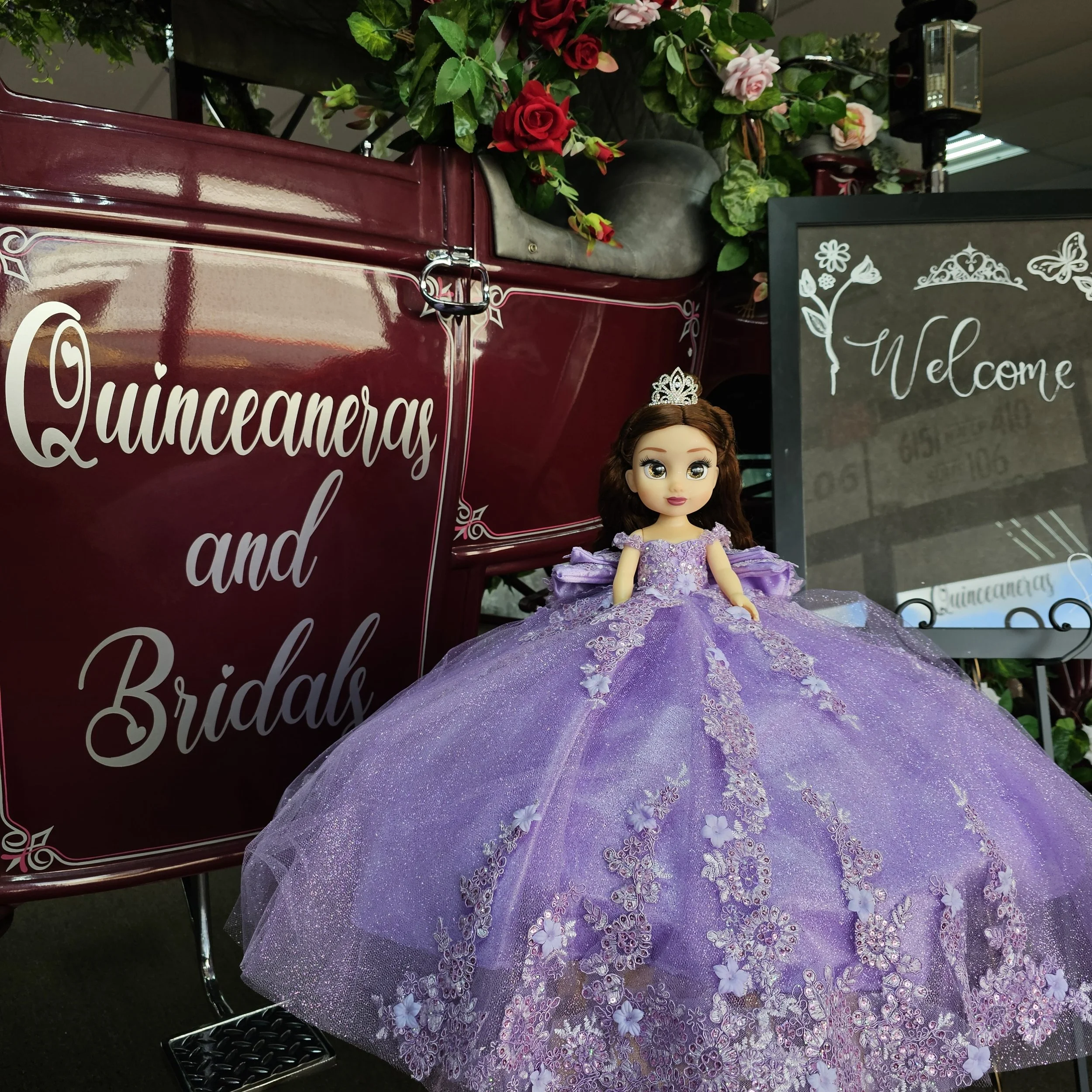
The Last Doll 🎀
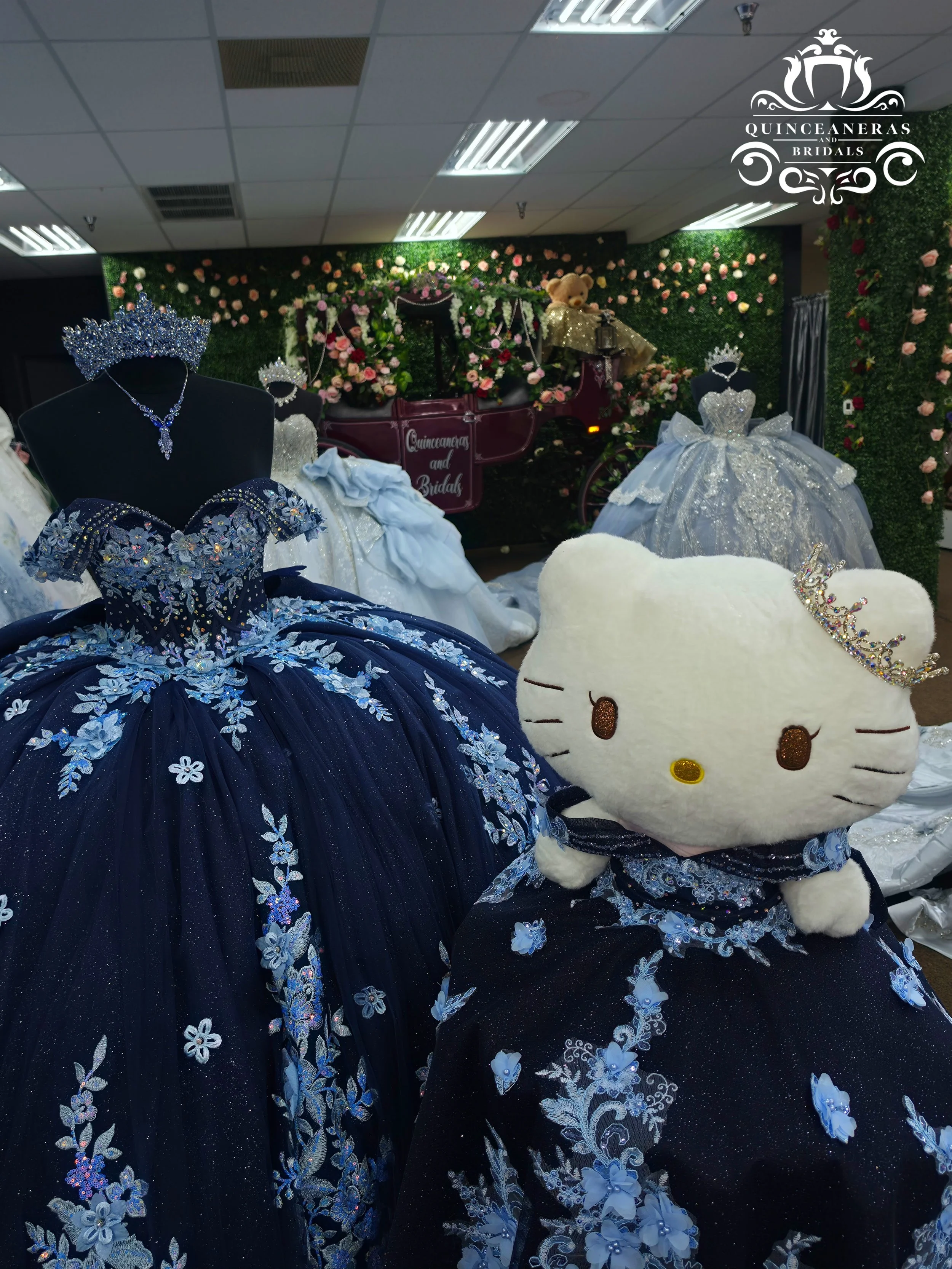
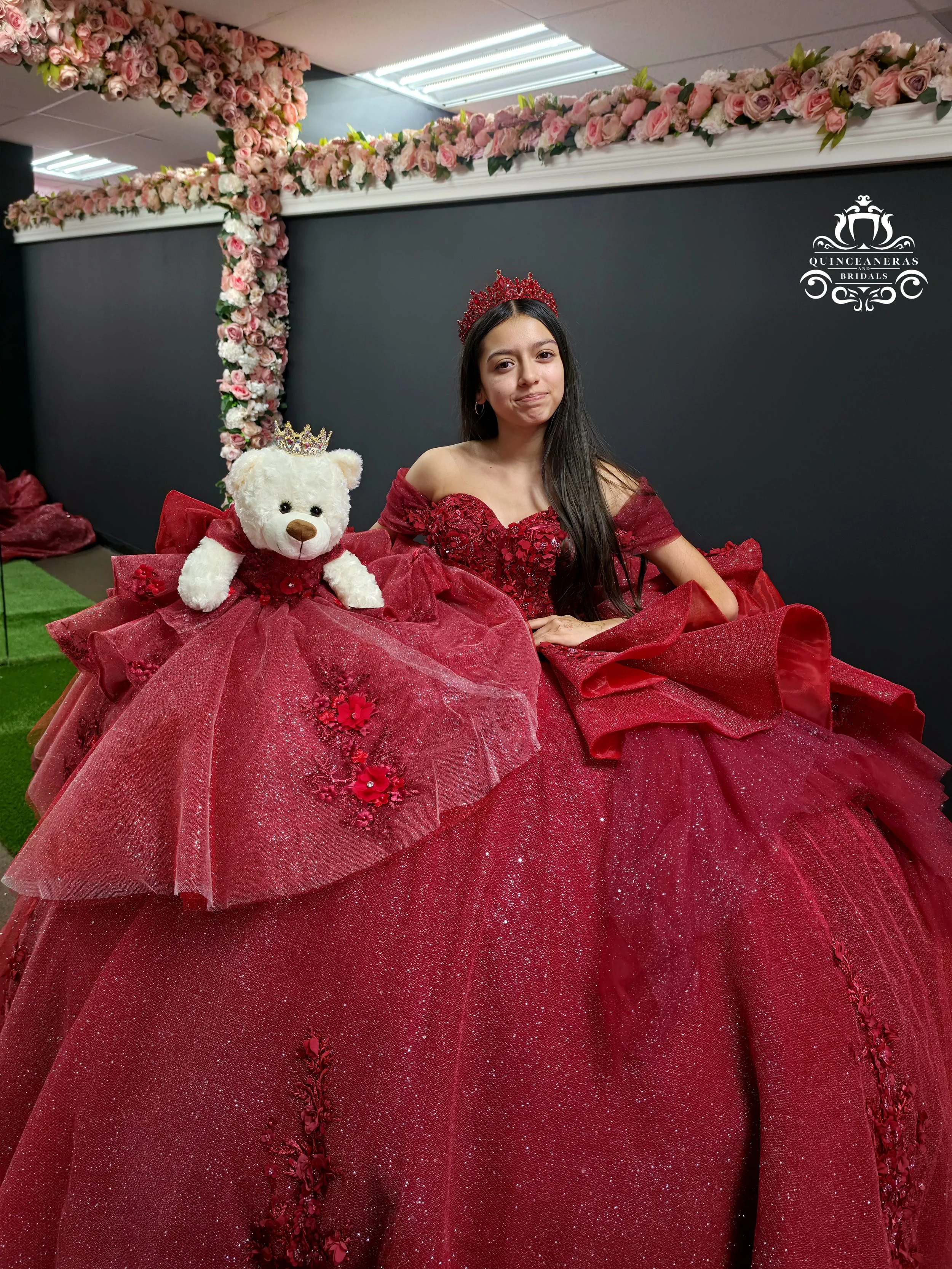
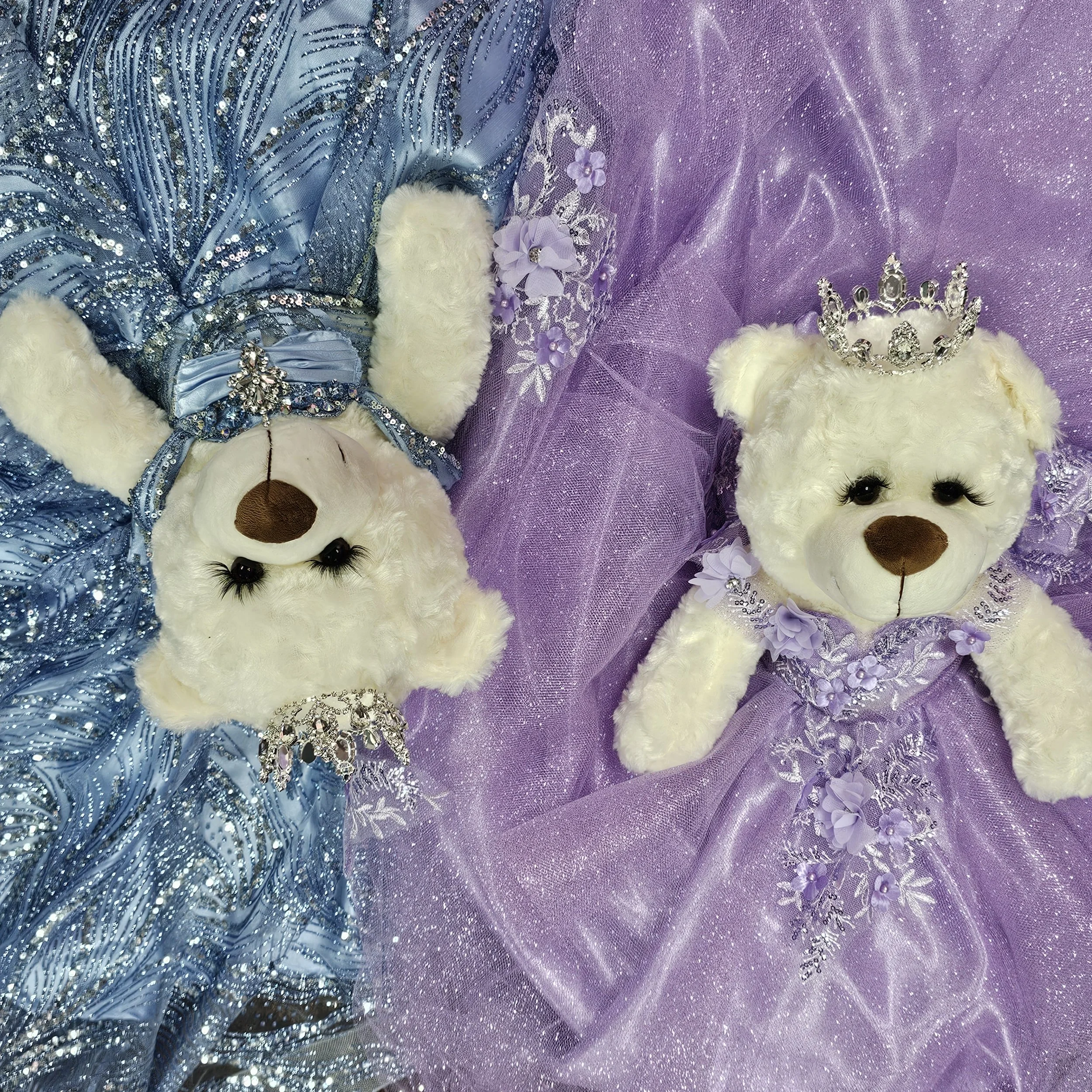
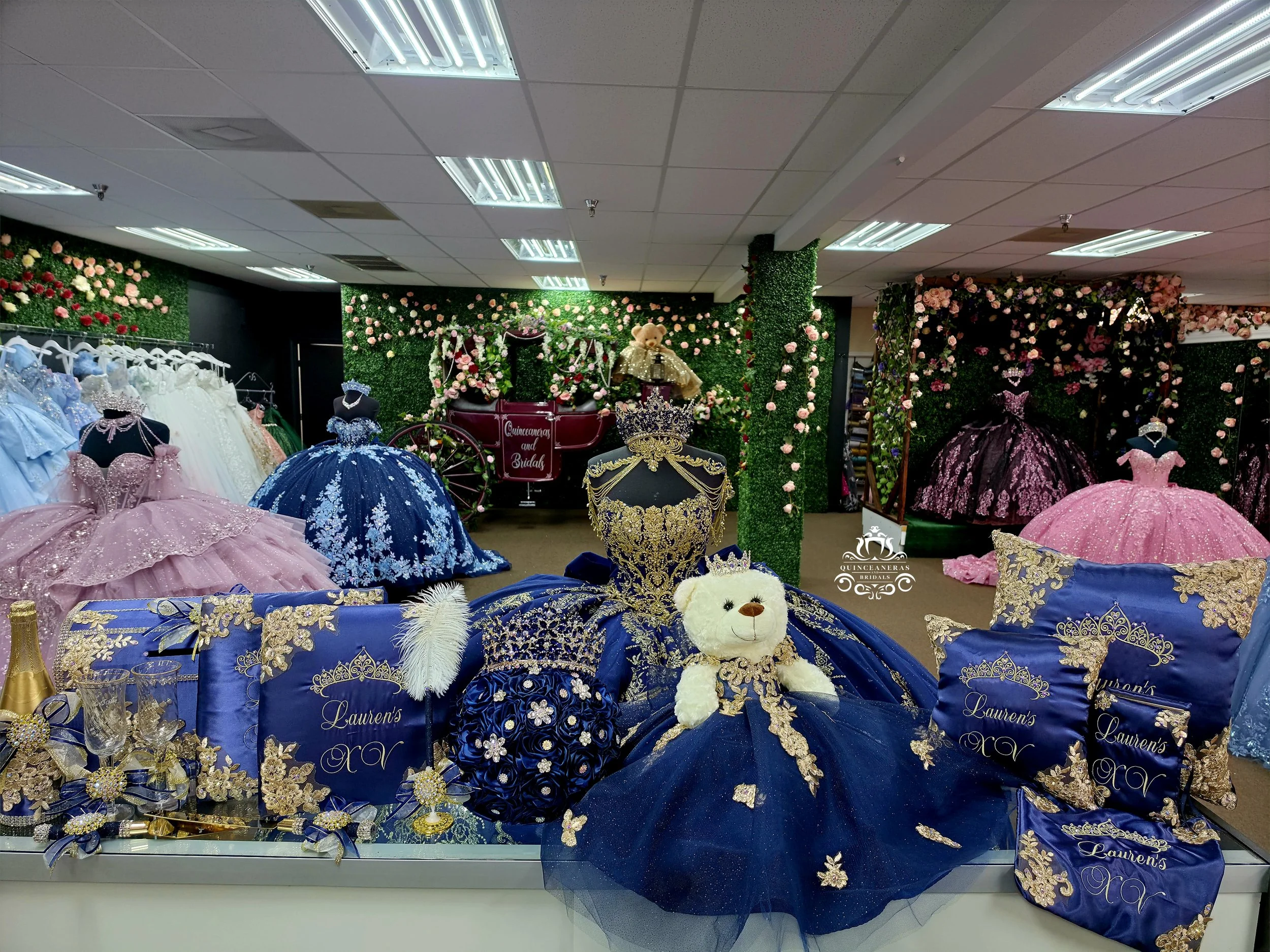
The última muñeca, or “last doll,” is a tradition that marks the end of childhood in a heartfelt, tangible way. The quinceañera may receive a doll as a symbolic final childhood gift, or she may choose to give it away—often to a younger sister, cousin, or another child in the family. Some keep the doll as a keepsake, preserving it as a reminder of where they came from and the love that surrounded them at this milestone. Many families opt to have a bear or stuffed animal instead of a doll for a modern twist while still keeping the spirit of this tradition alive.
The Money Bag or Purse 💰
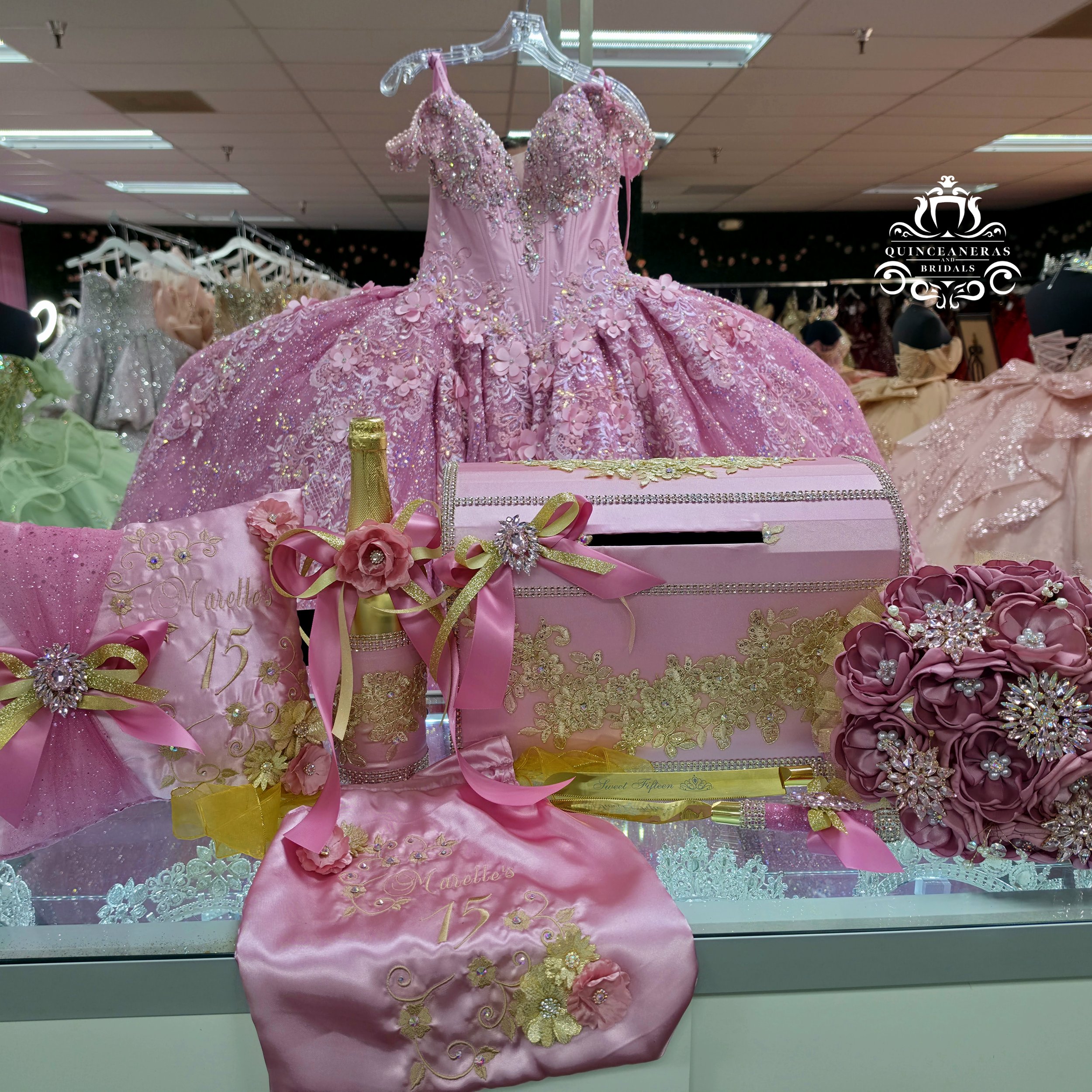
In the money bag (or purse) tradition, the quinceañera is gifted a decorative bag—often presented by her godparents or close family members—to symbolize prosperity and the financial responsibility that comes with stepping into adulthood. During the celebration, guests may place monetary gifts inside the purse (or contribute to it in a special moment), turning it into a meaningful keepsake as well as a practical blessing. More than the money itself, the tradition represents loved ones’ wishes for her financial independence, wise decision-making, and long-term success in the future she is building.
The Gift of Jewelry 💎
In the jewelry tradition, the quinceañera receives special pieces—often earrings, a necklace, a bracelet, or a ring—given by her parents, godparents, or close family members during the celebration. Beyond adding sparkle to her look, the jewelry symbolizes her value, beauty, and the precious nature of this milestone as she steps into a new stage of life. Many families choose pieces that can be worn for years to come, turning them into cherished keepsakes she’ll treasure throughout her life. In some cases, the gift is even more meaningful: heirloom jewelry is passed down to honor family history and mark the occasion with something that carries love across generations.
The Bible and Rosary 📿
In many quinceañera celebrations, the quinceañera is gifted a Bible and a rosary—often presented by her godparents or parents during the religious ceremony (such as a Mass) or later at the reception. These sacred gifts symbolize her spiritual foundation and her commitment to her faith as she enters adulthood. The Bible represents guidance and wisdom for the journey ahead, offering a source of strength and direction as she makes new choices and takes on greater responsibility. The rosary serves as a reminder of prayer and her ongoing connection to her religious community, encouraging her to seek comfort, gratitude, and hope through faith. Many quinceañeras treasure these items throughout their lives, keeping them as lasting symbols of both their beliefs and this important milestone.
Other Meaningful Traditions ✨
The Waltz — first dance, often with father, followed by choreographed group dance with court of honor (chambelanes and damas)
The Blessing — religious ceremony or mass before the reception
The Toast — speeches from family and godparents
The Surprise Dance — modern tradition of choreographed performance
Together, these quinceañera traditions create a celebration that feels both meaningful and unforgettable—full of symbolism, family pride, and shared emotion. Each ritual honors cultural roots while making space for personal expression, reminding everyone that growing up is both a community moment and an individual journey. Above all, a quinceañera is a beautiful way to celebrate a young woman stepping confidently into her next chapter.
